



About Climb It Up
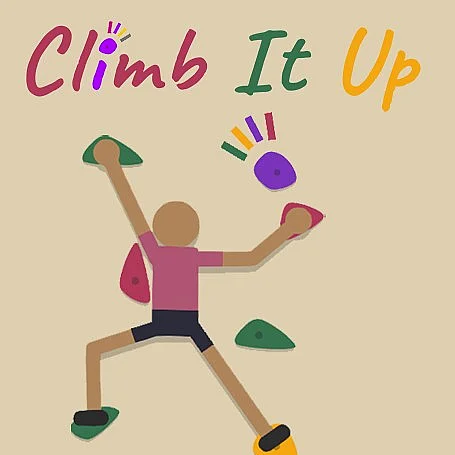
Climb It Up is the kind of VR game that makes you lean in real life, tense your shoulders, and mutter just one more grab when you almost slip. If you like physics climbing games that feel a little messy in the best way, this one is easy to recommend because every ledge feels earned.
Key Features
- VR climbing based on pulling, swinging, and body positioning
- Construction-site stages with beams, gaps, and moving hazards
- Zero-gravity levels where every push changes your route
- Hand hooks for long reaches and precision saves
- Short victories that feel huge after a sketchy climb
How to Play Climb It Up
The goal is simple: climb to the top without falling. You move with your hands, so success comes from clean grabs, steady pulls, and smart swings instead of button-mashing.
At first, it feels natural enough: your VR controllers are your hands, and you grab beams, ledges, or platforms to pull yourself higher. The catch is that timing matters as much as strength. Yank too hard or swing at a bad angle and you can lose your line immediately.
The hook tool is where things get more interesting. You use it when the next hold is just out of reach or sitting at a weird angle, and learning when to trust your hand versus when to fire a hook becomes a huge part of staying alive. It adds a nice puzzle-game layer to what could have been just a raw climbing sim.
A quick tip: stop and look up before every tricky section. In Climb It Up, the best route is often one beam to the side instead of directly overhead, and that little bit of planning saves a lot of frustrating drops.
What Makes It Stand Out
What makes Climb It Up stand out is how different the stages feel even though the basic goal never changes. It is not just more walls to climb; the game keeps changing the rules of how your body moves.
The construction-site levels are especially good because they make you read space like someone scrambling through unfinished steel. Narrow beams, swinging hazards, and awkward side reaches create those panic moments where you are hanging with one hand and trying not to overcorrect with the other.
Then the zero-gravity sections flip the whole rhythm. Instead of hauling yourself straight up, you are nudging, drifting, and using tiny pushes to line up the next grab, which feels completely different from the heavier industrial stages. That contrast keeps the game fresh way longer than I expected.
I also like that the effort feels physical without turning into a cheap gimmick. After a longer run, your arms will notice because you have been reaching, steadying, and catching yourself like a maniac, not because the game slapped on fake stamina rules.
FAQ
The main things players usually want to know are how hard it is, how physical it gets, and what makes it different from other climbing games. Here is the short version before you jump in.
Is Climb It Up hard?
Yes, especially once momentum and strange angles start mattering more than simple upward movement. But it is the good kind of hard, because most mistakes make sense and usually teach you what to do better on the next attempt.
Can I play it casually, or is it a workout?
You can absolutely play in short bursts, but do not be surprised if ten minutes feels like more. Smooth movement helps a lot, yet some sections really get your shoulders involved, so taking breaks is honestly part of playing smart.
How is it different from Getting Over It or other climbing games?
The closest comparison is that same one-bad-move tension, but Climb It Up feels more physical because your own reach, rhythm, and recovery drive every climb. The hook mechanic, plus the jump from steel-beam stages to floaty zero-g routes, gives it a personality that is easy to remember.
If you enjoy VR physics games, tricky platforming, or anything that turns movement itself into the challenge, Climb It Up is worth your time. It is sweaty, a little stressful, and weirdly satisfying, so give it a shot and see how far your arms and patience can take you.
Comments (0)
No comments yet.